 Roga Digital
Four things I build most. Five more I do around them.
Most projects draw on two or three of these at once. Start with whichever sounds closest to your problem.
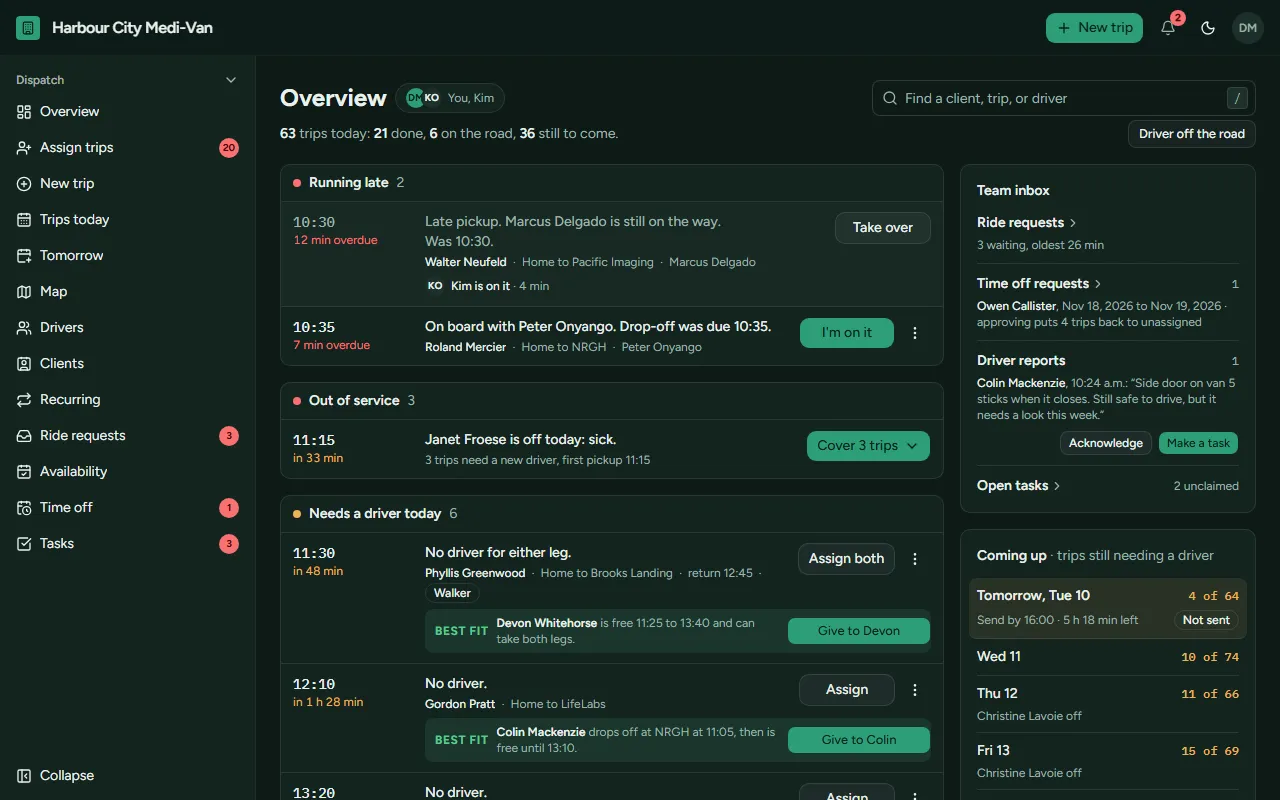
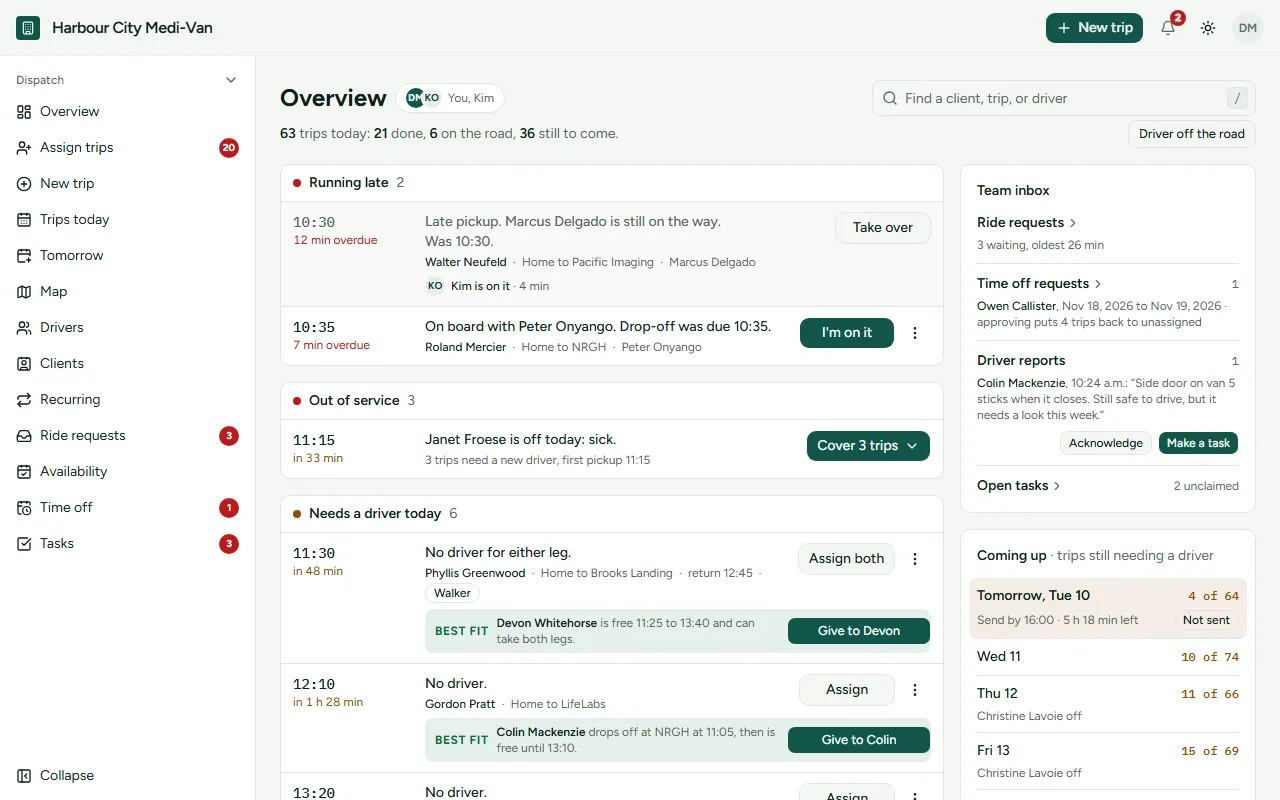
Internal tools & dashboards
Operations panels, reporting dashboards, and queue managers your team uses all day.
It fits when
- Your team does the same manual workaround in spreadsheets every week.
- Customer support keeps asking developers for one-off database lookups.
- You're hiring more operations staff to cover what software should be doing.
Custom software development
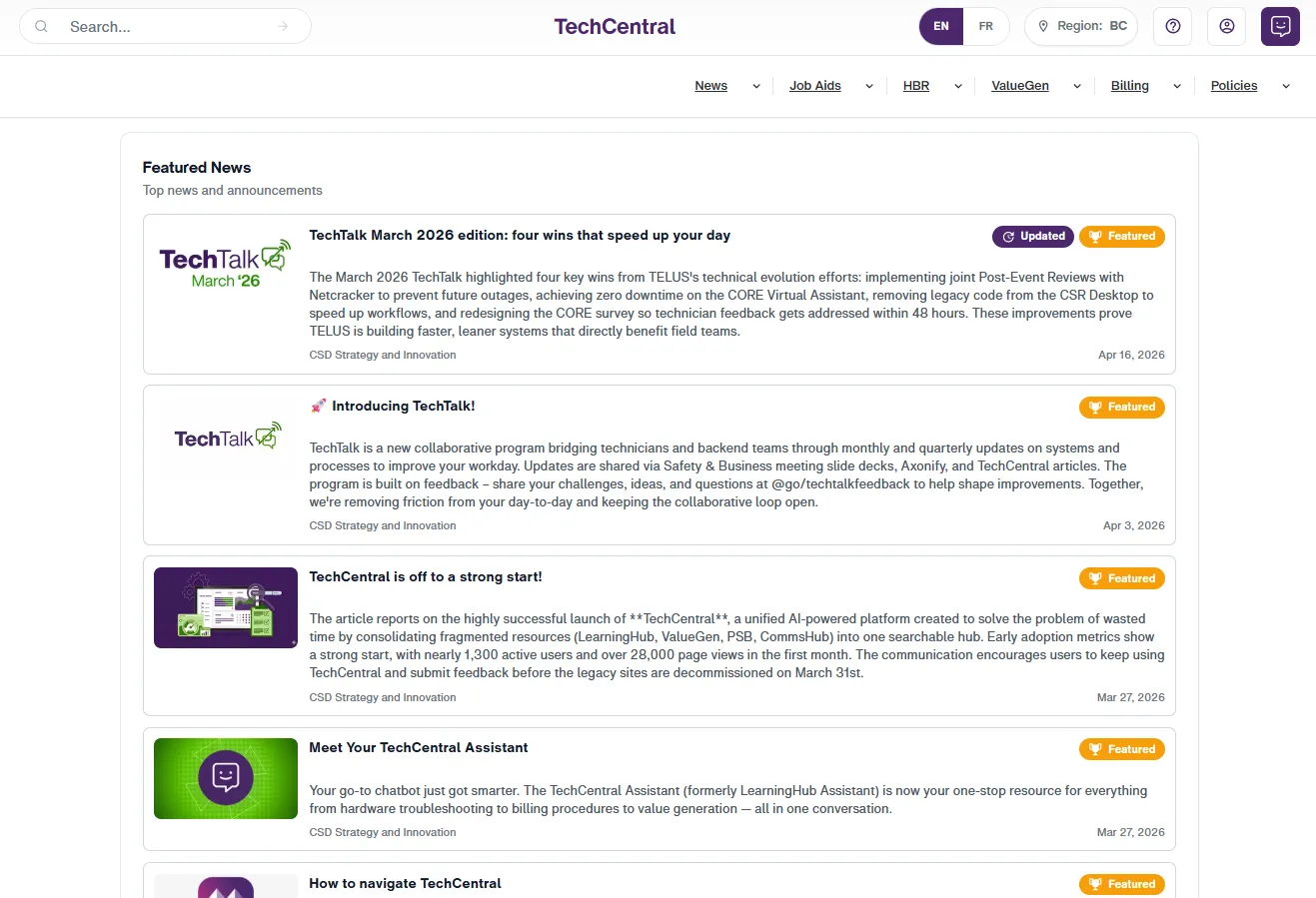
Production web applications, from first design through deploy and long-term support.
It fits when
- You need a real web app and don't have a senior developer in-house.
- An existing build is slowing your team down and needs a clean rewrite.
- You have a greenfield product and want one person accountable for the whole stack.
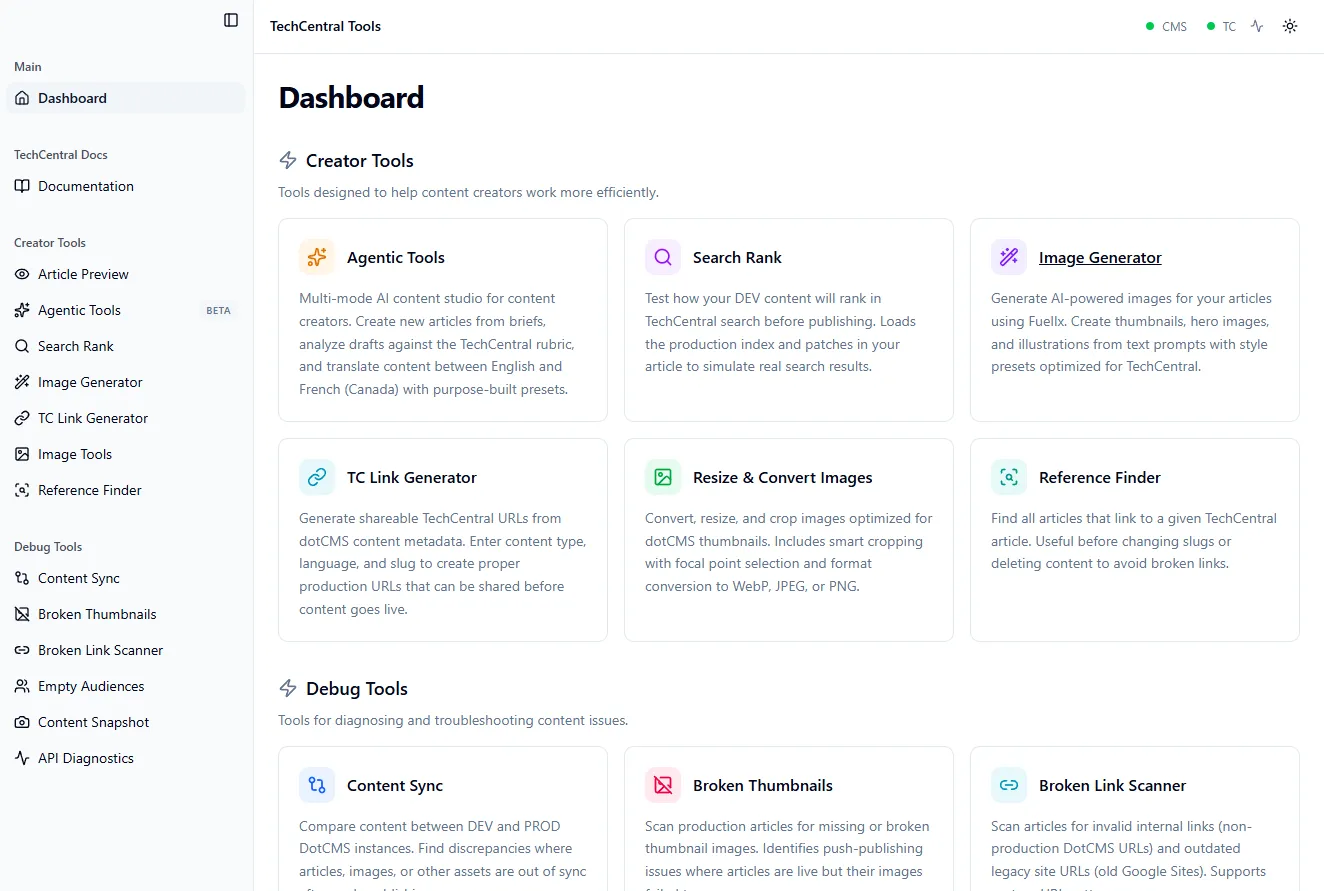
AI integration & consulting
LLM features, retrieval, and agents, with a clear read on where AI helps.
It fits when
- Your team wants to ship AI features but isn't sure which ones.
- You've shipped an LLM feature and don't trust the output.
- Your board is asking about AI strategy and you want a grounded answer.
Integrations & workflow automation
APIs, data pipelines, and scheduled jobs that keep your systems in sync.
It fits when
- Someone copies data between two systems by hand every day.
- A vendor migration is coming and you need a clean handoff.
- A scheduled job has been "mostly working" for years and finally broke.
Around the build
Work that comes before, alongside, or after a build. Open any row for the details.
Embedded discovery & buildI work inside the team that has the problem, then build the fix with them.
I embed with the team that lives the problem, learn the work by being in it, and design the fix alongside the people who'll use it. Then I build it, front to back. Discovery happens inside your real operation instead of in a spec written at a distance, which is why what ships fits how the work gets done.
What you get
- Real time with the people who do the work, on the floor and not only on a kickoff call.
- A solution designed with your stakeholders in their own workflow.
- The whole build from one person, from first conversation to production and beyond.
- Working software in front of real users early, then refined against how the job is done.
It fits when
- The problem lives inside a specific team or department and nobody has fully written it down.
- Past projects missed because whoever wrote the spec wasn't in the room where the work happens.
- You want the person who understands the operation to be the one who ships the software.
Product strategy & scopingDiscovery, scope, and roadmaps: deciding what to build and what to leave out.
Most software fails before the first commit. Discovery, scope shaping, and roadmapping is where we work out what to build and, more importantly, what to leave out. I come in early, ask the uncomfortable questions, and write the brief we both work from.
What you get
- A written discovery summary you can share with stakeholders.
- Prioritized scope: what ships first, what waits, what gets dropped.
- A quarterly roadmap when the engagement runs longer than a quarter.
- Light-touch user research where it changes a decision.
It fits when
- You have a vague but real problem and no spec.
- Stakeholders disagree on scope and you need a written read.
- A previous build didn't land and you're choosing what to do differently.
Systems architectureData models, API contracts, and access control that hold up for years.
Database design, API contracts, service boundaries, identity, role-based access control, and audit logging. The decisions made in the first two weeks of a project are the ones you live with for years, so they should be made deliberately.
What you get
- An architecture diagram and a written rationale for each non-obvious choice.
- A data model with explicit role and permission semantics.
- API contracts (OpenAPI, GraphQL schema, or typed RPC).
- An audit-log strategy and threat model when the data is sensitive.
It fits when
- You have a multi-tenant or multi-role product where access matters.
- You're replacing a legacy system that grew organically.
- You want a pre-launch check on someone else's design.
Maintenance & ongoing partnershipLong-term support, audits, and gradual rebuilds of software you already own.
Long-term support of software you already own, whether I built it or someone else did. Audits, gradual rebuilds, and on-call for the things that matter. Many engagements start as a project and become this.
What you get
- A codebase audit with prioritized findings: security, performance, fragility, and debt.
- A monthly retainer covering bug fixes, small features, and operational support.
- Gradual modernization through incremental rewrites, never a "big rewrite".
- On-call coverage that matches your team's real needs.
It fits when
- Software you depend on has outlasted the developer who wrote it.
- The original team has moved on and the docs went with them.
- You want senior coverage but don't need a full-time hire.
Technical advisoryArchitecture reviews, code reviews, and second opinions before a big decision.
Architecture reviews, code review, hiring decisions, vendor evaluations, and second opinions. A senior pair of eyes when the stakes are high and you don't need a full engagement. You need a read.
What you get
- A written architecture review with specific, prioritized recommendations.
- A code review of a feature, a refactor, or a whole repo.
- Hiring support: technical interviews for senior developers or technical leads.
- Vendor evaluations: "should we buy X or build it ourselves?"
It fits when
- You're about to commit to a big architectural decision and want a second opinion.
- You're hiring a senior developer and want a technical interviewer.
- A vendor pitch sounds too good and you want it stress-tested.
Engagement formats
Three ways I usually work.
- Project
- A scoped engagement with a fixed outcome: discovery, build, handoff. Two weeks to several months. Best when the problem has clear edges.
- Fractional
- A recurring monthly retainer, typically one to three days per week. Best when the work is ongoing, evolving, or partly uncertain. Many project clients move here after launch.
- Advisory
- Short, focused engagements with no code: architecture reviews, hiring support, vendor evaluations, code reviews. Best when you need a read, not a build.
Not sure which of these fits?
Send the problem, not the spec.
We’ll work out together which of these, if any, fits what you’re trying to do.